

Moving heavy equipment is not as simple as loading a machine onto a truck and sending it to its destination.
Large industrial assets often represent a significant investment and may include sensitive components that require specialized protection during transportation, storage, and export shipping.
A single packaging failure can result in:
- Equipment damage
- Expensive repairs
- Production delays
- Installation problems
- Unexpected operational costs
That is why companies rely on heavy equipment crating — a specialized packaging solution designed to protect large, heavy, and high-value equipment throughout the shipping process.
From industrial machinery to oversized components, professional crating helps ensure equipment arrives safely and ready for operation.
Here are 7 reasons why heavy equipment crating is essential for industrial shipping.
1. Heavy Equipment Requires More Than Standard Packaging
A standard crate may work for smaller shipments, but heavy industrial equipment presents unique challenges.
Large equipment often requires protection because of:
- Extreme weight
- Oversized dimensions
- Complex shapes
- Sensitive components
- Special lifting requirements
Heavy equipment crating provides a custom-built solution designed around the exact specifications of the equipment being transported.
Instead of using a generic package, companies receive a solution created to support the equipment’s weight, structure, and transportation requirements.
2. It Helps Prevent Costly Transportation Damage
Heavy equipment can experience significant stress during transportation.
Throughout the shipping process, machinery may be exposed to:
- Vibration
- Impact
- Improper handling
- Loading and unloading pressure
- Environmental conditions
Even minor movement inside a crate can damage sensitive components or affect equipment performance.
Professional heavy equipment crating helps secure machinery, reduce movement, and provide structural protection during transportation.
3. Every Piece of Equipment Needs a Custom Crating Solution
No two industrial machines are exactly alike.
A successful heavy equipment crating solution considers:
- Equipment dimensions
- Weight distribution
- Center of gravity
- Transportation method
- Storage requirements
- Handling procedures
Depending on the application, custom solutions may include:
- Heavy-duty wooden crates
- Industrial pallets
- Custom skids
- Reinforced structures
- Blocking and bracing
- Shock protection systems
The goal is to create packaging that fits the equipment and protects it throughout the entire journey.
4. International Shipping Creates Additional Protection Challenges
Shipping heavy equipment internationally requires preparation for demanding transportation conditions.
Equipment may experience:
- Long transit times
- Ocean freight environments
- Multiple handling points
- Climate changes
- Warehouse storage
These conditions can increase risks related to:
- Moisture
- Humidity
- Corrosion
- Physical damage
Heavy equipment crating can be combined with additional protective solutions, including:
- Export-ready crating
- Vapor barrier packaging
- Moisture protection
- Heat shrink protection
These solutions help prepare equipment for domestic and international transportation.
5. The Right Crate Protects More Than Just the Equipment
When companies think about shipping equipment, they often focus only on the machine.
However, the packaging system plays a critical role in protecting the investment.
A properly engineered heavy equipment crate helps:
- Support heavy loads
- Stabilize equipment during transportation
- Reduce handling risks
- Protect sensitive components
- Improve shipping reliability
The crate becomes an important part of the equipment protection strategy.
6. Many Industries Depend on Heavy Equipment Crating
Industries that transport valuable machinery and specialized equipment rely on custom crating solutions to reduce shipping risks.
Manufacturing
Manufacturers use heavy equipment crating for production machinery, industrial systems, and specialized components.
Aerospace
Aerospace companies require precise packaging solutions to protect valuable and sensitive equipment.
Energy
Energy companies often transport large components that require durable and reliable packaging systems.
Mining
Mining operations depend on heavy-duty packaging solutions designed for large and heavy equipment.
Automotive
Automotive manufacturers use custom crating for machinery, tooling, and production equipment.
Semiconductor and Technology
Sensitive equipment requires advanced protection against transportation risks and environmental exposure.
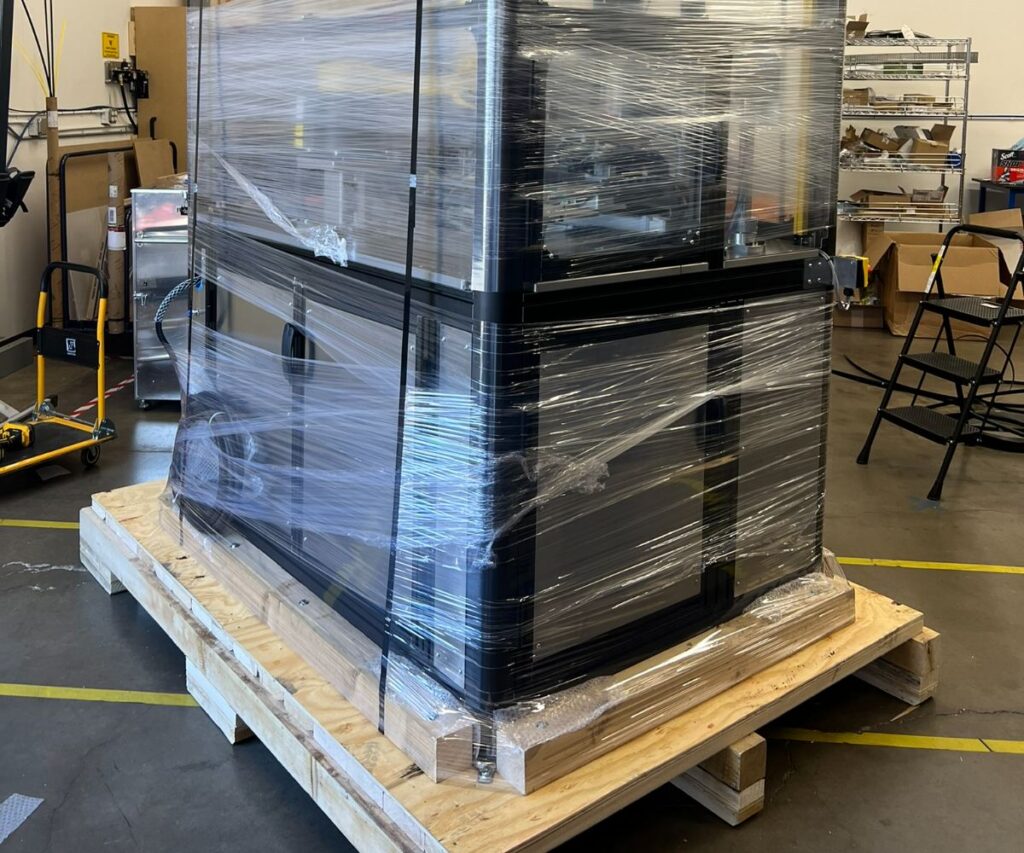
7. Preventing Equipment Damage Is Better Than Managing the Consequences
When heavy equipment arrives damaged, the impact goes beyond repair costs.
Companies may face:
- Production downtime
- Delayed installations
- Project interruptions
- Replacement expenses
- Additional logistics costs
Heavy equipment crating helps companies protect their assets before transportation problems occur.
For valuable industrial equipment, proper packaging is not just a shipping requirement — it is a critical part of protecting business operations.
What Is Heavy Equipment Crating?
Heavy equipment crating is the process of designing and manufacturing custom crates and protective packaging systems for large, heavy, or specialized equipment during transportation and storage.
Unlike standard packaging, heavy equipment crating is developed based on the specific requirements of the equipment, including:
- Size
- Weight
- Structural needs
- Handling requirements
- Transportation conditions
- Environmental exposure
The result is a customized packaging solution designed to keep heavy machinery secure throughout its journey.
How Does Heavy Equipment Crating Work?
Step 1: Equipment Evaluation
The crating process begins by analyzing the equipment and transportation requirements.
Factors considered include:
- Equipment dimensions
- Weight
- Fragility
- Lifting requirements
- Shipping method
- Storage conditions
Step 2: Custom Crate Design
After evaluation, the packaging solution is designed around the equipment specifications.
The design process may include:
- CAD-based planning
- Structural design
- Material selection
- Custom support systems
This ensures the final crate provides the appropriate level of protection and stability.
Step 3: Crate Manufacturing
The custom crate is manufactured using materials selected for the equipment requirements.
Solutions may include:
- Heavy-duty wooden crates
- Custom pallets
- Industrial skids
- Reinforced packaging structures
Step 4: Equipment Protection and Shipment Preparation
Before transportation, additional protective methods may be applied depending on the shipment requirements.
These may include:
- Vapor barrier packaging
- Heat shrink protection
- Moisture control solutions
- Export preparation
This creates a complete packaging system designed for safe transportation.
Heavy Equipment Crating vs. Standard Crating
| Standard Crating | Heavy Equipment Crating |
| Designed for general products | Designed for large industrial equipment |
| Basic structural protection | Reinforced protection systems |
| Limited customization | Built around equipment specifications |
| Suitable for standard shipments | Designed for heavy machinery |
| General packaging approach | Engineering-focused solution |
Why Choose Crating Technology for Heavy Equipment Crating?
Crating Technology specializes in custom industrial packaging solutions designed to protect valuable equipment during transportation and storage.
The company develops heavy equipment crating solutions based on each project’s specific requirements, including:
- Equipment size and weight
- Transportation conditions
- Handling requirements
- Environmental risks
Crating Technology provides:
- Heavy equipment crating
- Engineered crating solutions
- Custom shipping crates
- Industrial packaging services
- Export crating solutions
- On-site crating services
By combining engineering expertise with custom manufacturing capabilities, Crating Technology helps companies safely transport industrial equipment across industries including aerospace, semiconductor, defense, healthcare, automotive, energy, and manufacturing.
Frequently Asked Questions About Heavy Equipment Crating
What is heavy equipment crating?
Heavy equipment crating is a custom packaging solution designed to protect large, heavy, and specialized machinery during transportation and storage.
Why is heavy equipment crating important?
Heavy equipment crating helps protect machinery from transportation risks such as vibration, impact, moisture, and improper handling.
What equipment requires heavy equipment crating?
Heavy equipment crating is commonly used for industrial machinery, manufacturing equipment, aerospace components, energy equipment, semiconductor systems, and oversized industrial assets.
Can heavy equipment crates be customized?
Yes. Heavy equipment crates are designed based on equipment dimensions, weight, transportation requirements, and protection needs.
Is heavy equipment crating used for international shipping?
Yes. Heavy equipment crating can include export-ready packaging solutions designed for long-distance and international transportation.
Can heavy equipment crating include moisture protection?
Yes. Heavy equipment crating can be combined with solutions such as vapor barrier packaging and heat shrink protection to reduce environmental risks.
Does Crating Technology provide custom heavy equipment crating?
Yes. Crating Technology designs and manufactures custom heavy equipment crating solutions for industrial equipment and specialized shipments.
Protect Your Equipment With Heavy Equipment Crating Solutions
When transporting large and valuable equipment, choosing the right packaging solution is essential.
Crating Technology designs custom heavy equipment crating solutions that help protect industrial machinery during transportation, storage, and export shipping.
From oversized equipment to specialized industrial systems, Crating Technology creates packaging solutions designed around the unique requirements of each shipment.


