

What Is 3D Design in Crating?
3D design in crating is the process of creating digital models of custom crates before manufacturing. Using CAD software, engineers can visualize crate dimensions, internal supports, protective materials, and structural requirements to develop packaging solutions that match the exact needs of each shipment.
For companies transporting valuable equipment, 3D crate design helps improve accuracy, reduce manufacturing errors, optimize materials, and protect products during handling and transportation.
At Crating Technology, we use engineering-based design processes to develop custom crating solutions for aerospace, semiconductor, electronics, defense, and industrial equipment applications.
Why Is 3D Design Important in Custom Crating?
Traditional crate construction often depended on manual measurements and adjustments during fabrication. While skilled craftsmanship remains essential, digital modeling allows engineers to identify potential challenges before production begins.
3D design helps companies:
- Visualize the complete crate before manufacturing
- Confirm product fit and dimensions
- Improve internal protection planning
- Reduce design modifications
- Optimize material usage
- Create accurate production documentation
For complex shipments, digital modeling provides a more predictable approach to building protective packaging solutions.
How the 3D Crate Design Process Works
At Crating Technology, the 3D design process helps transform product requirements into a manufacturing-ready packaging solution.
Step 1: Shipment Analysis and Requirements Review
The process begins by understanding the item being shipped.
Engineers evaluate:
- Product dimensions
- Weight
- Fragility
- Center of gravity
- Transportation conditions
- Handling requirements
- Destination considerations
This information helps determine the best crate structure and protection strategy.
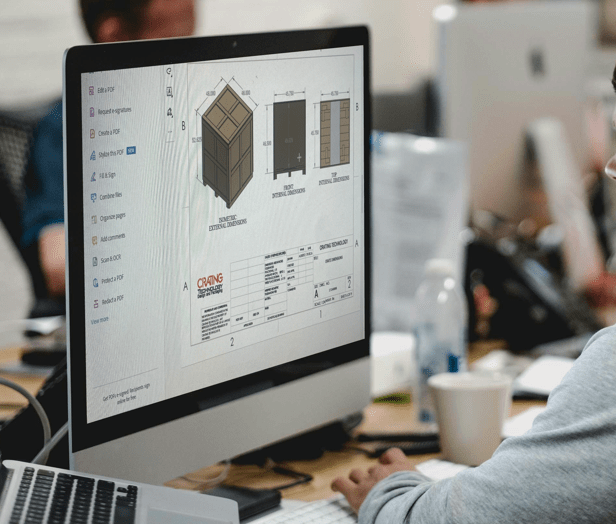
Step 2: Digital CAD Modeling
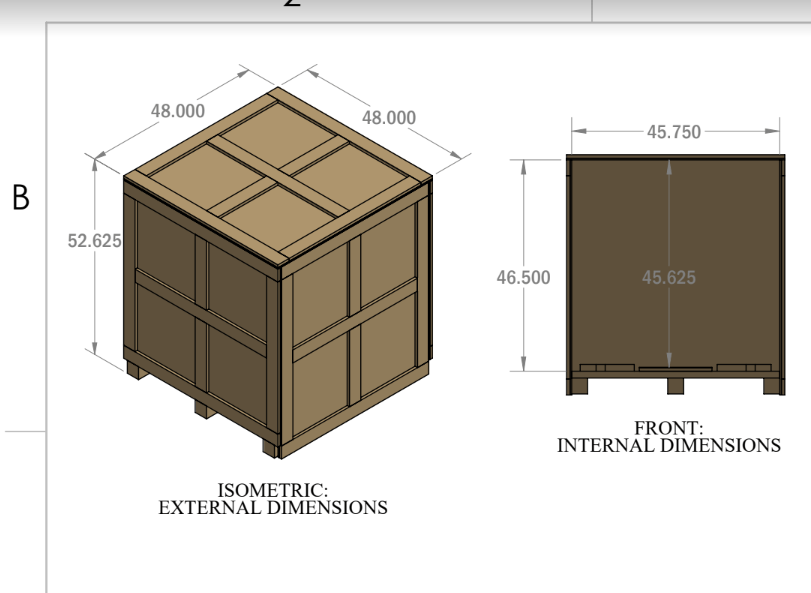
Using CAD-based design software, engineers create a detailed digital representation of the custom crate.
The model can include:
- Exterior crate dimensions
- Internal supports
- Foam inserts
- Blocking and bracing systems
- Access points
- Lifting locations
This allows teams to review the design before materials are cut or fabrication begins.
Digital modeling is especially valuable for complex equipment because it allows teams to visualize fit, identify potential issues, and make adjustments before production.
Step 3: Design Review and Optimization
Before manufacturing, the digital model can be reviewed and improved.
During this stage, engineers evaluate:
- Structural strength
- Product protection
- Material efficiency
- Ease of loading and unloading
- Transportation risks
Making adjustments during the digital stage helps prevent costly changes after production starts.
Step 4: Manufacturing Preparation
Once approved, the 3D design becomes the reference for fabrication.
Production teams use the approved specifications to:
- Build the crate accurately
- Position internal supports correctly
- Reduce assembly errors
- Maintain consistent quality
Step 5: Final Quality Review
Before shipment, the finished packaging solution is inspected to confirm that it meets project requirements.
This final step ensures that the crate is prepared for real-world transportation conditions.
Benefits of 3D Design for Custom Crating
1. Improved Accuracy and Precision
3D modeling allows engineers to create packaging based on exact measurements instead of assumptions.
This is critical when protecting:
- Aerospace components
- Semiconductor equipment
- Electronics
- Medical devices
- Industrial machinery
2. Better Product Protection
A successful crate design considers more than external dimensions.
3D design helps plan:
- Shock protection
- Vibration control
- Internal cushioning
- Load distribution
- Securement systems
This reduces risks during transportation.
3. Faster Approvals and Better Communication
A digital model gives customers and engineering teams a clear visualization of the final packaging solution.
Instead of relying only on technical drawings, stakeholders can review the design before production.
4. Reduced Material Waste
Accurate digital planning helps optimize:
- Wood requirements
- Foam inserts
- Internal supports
- Overall crate dimensions
This creates more efficient packaging without sacrificing protection.
5. Lower Risk of Production Errors
Identifying design issues before manufacturing reduces:
- Rework
- Material waste
- Delays
- Incorrect dimensions
3D Design vs Traditional Crate Design
| Traditional Crate Design | 3D Designed Crating |
| Manual measurements | Digital measurements |
| Limited visualization | Complete 3D preview |
| Issues discovered during production | Problems identified before manufacturing |
| More adjustments required | More predictable fabrication |
| Standardized approach | Engineered packaging solution |
Industries That Benefit From 3D Crate Design
Aerospace
Aerospace components often require extremely precise packaging because of their value, size, and sensitivity.
3D design helps create solutions that support:
- Complex geometries
- Specialized handling
- Secure transportation
Semiconductor and Electronics
Electronic equipment requires protection against:
- Shock
- Vibration
- Moisture
- Static discharge
3D modeling helps integrate protective features into the crate design.
Defense
Defense equipment often requires specialized packaging designed around strict transportation requirements.
Digital crate design helps improve:
- Securement planning
- Structural reliability
- Transportation readiness
Industrial Equipment
Heavy machinery and industrial components benefit from engineered packaging designed around:
- Installation requirements
- Weight distribution
- Forklift access
- Shipping conditions
3D Crate Design Services in Phoenix, Arizona
Located in Phoenix, Arizona, Crating Technology provides custom packaging and engineered crating solutions for companies that need reliable protection for valuable equipment.
Our team supports industries including:
- Aerospace
- Semiconductor manufacturing
- Electronics
- Defense
- Industrial manufacturing
By combining CAD-based planning with hands-on packaging expertise, we create solutions designed around each shipment’s unique requirements.
Engineering Experience Behind Every Crate Design
At Crating Technology, 3D design is not only about creating a digital model.
Our engineers consider real-world transportation challenges, including:
- Handling conditions
- Shipping environments
- Product sensitivity
- Protection requirements
This combination of digital planning and practical experience helps create packaging solutions that perform beyond the design stage.
3D Design and Sustainable Packaging
Better planning can also support more efficient packaging practices.
3D design helps companies:
- Reduce unnecessary materials
- Improve crate dimensions
- Minimize packaging waste
- Create reusable solutions
Efficient packaging design benefits both transportation performance and sustainability goals.
Future Trends in 3D Crating Design
The future of custom crating continues moving toward more advanced digital engineering.
Emerging trends include:
AI-Assisted Design
Artificial intelligence may help engineers analyze packaging requirements and identify optimization opportunities.
Digital Collaboration
Teams across locations can review and approve designs digitally before production.
Automated Manufacturing
Digital models can improve integration between design software and fabrication processes.
Frequently Asked Questions About 3D Design in Crating
What is 3D design in crating?
3D design in crating is the use of digital modeling software to create accurate representations of custom crates before manufacturing.
Why use CAD design for custom crates?
CAD design helps improve accuracy, visualize the final solution, optimize materials, and reduce production errors.
Does 3D modeling improve crate protection?
Yes. 3D modeling allows engineers to plan internal supports, cushioning systems, and structural elements before fabrication.
What industries use 3D designed crates?
Industries such as aerospace, semiconductor manufacturing, electronics, defense, and industrial equipment commonly use engineered crate designs.
Can Crating Technology create custom 3D crate designs?
Yes. Crating Technology develops custom crating solutions using engineering-based design processes to protect valuable equipment during transportation.
Contact Crating Technology for 3D Designed Crating Solutions
A successful shipment starts before the crate is built.
Through 3D design, CAD modeling, and engineering-based planning, Crating Technology helps companies create packaging solutions that improve protection, accuracy, and shipping reliability.
Whether you are shipping aerospace components, semiconductor equipment, electronics, or industrial machinery, our team can design a custom crating solution based on your requirements.
Contact Crating Technology today to discuss your 3D crate design project and request a custom quote.


